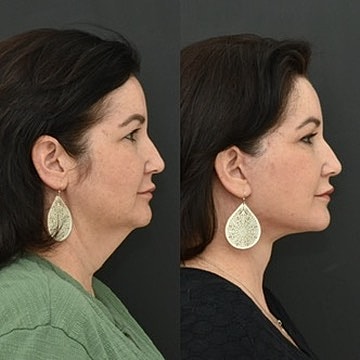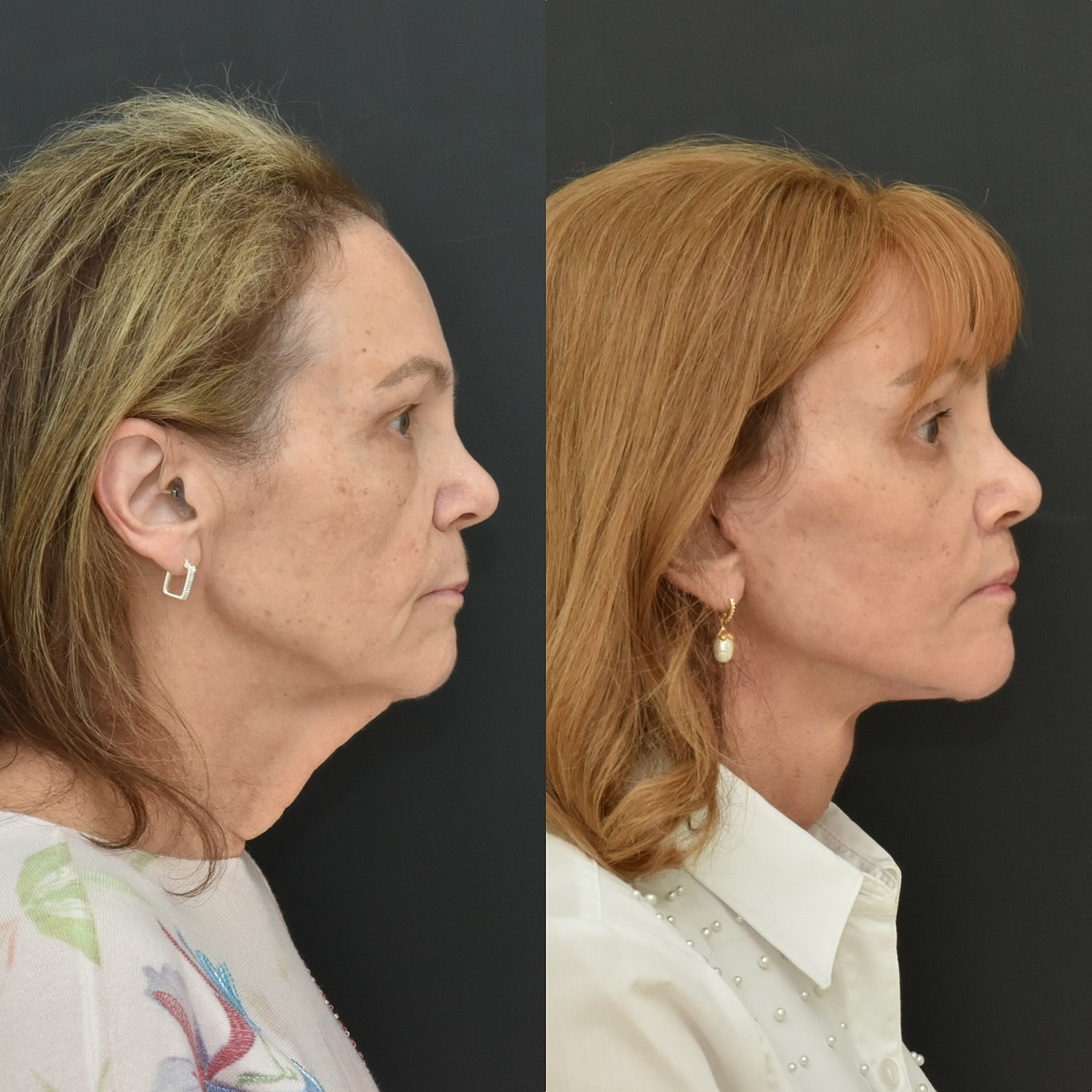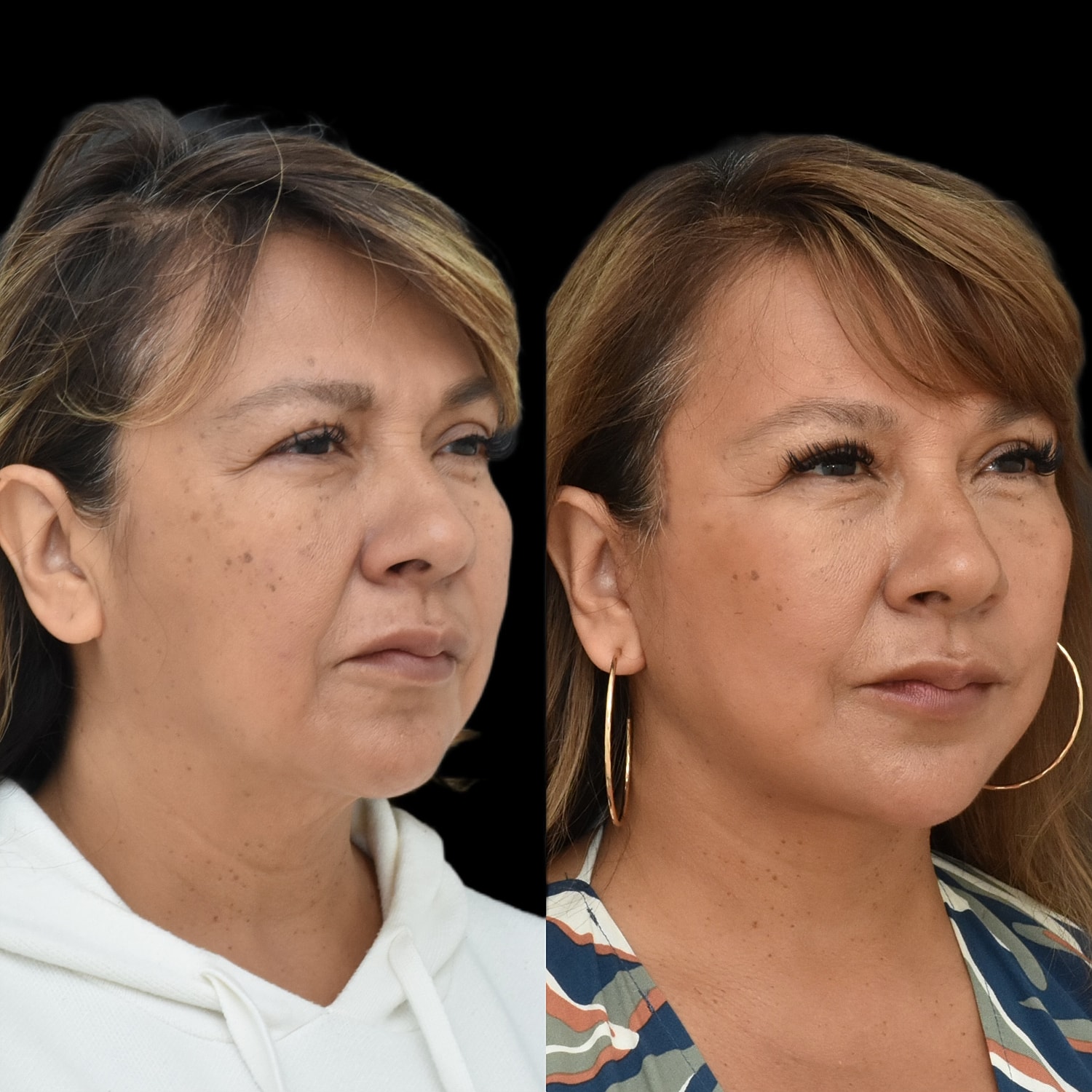

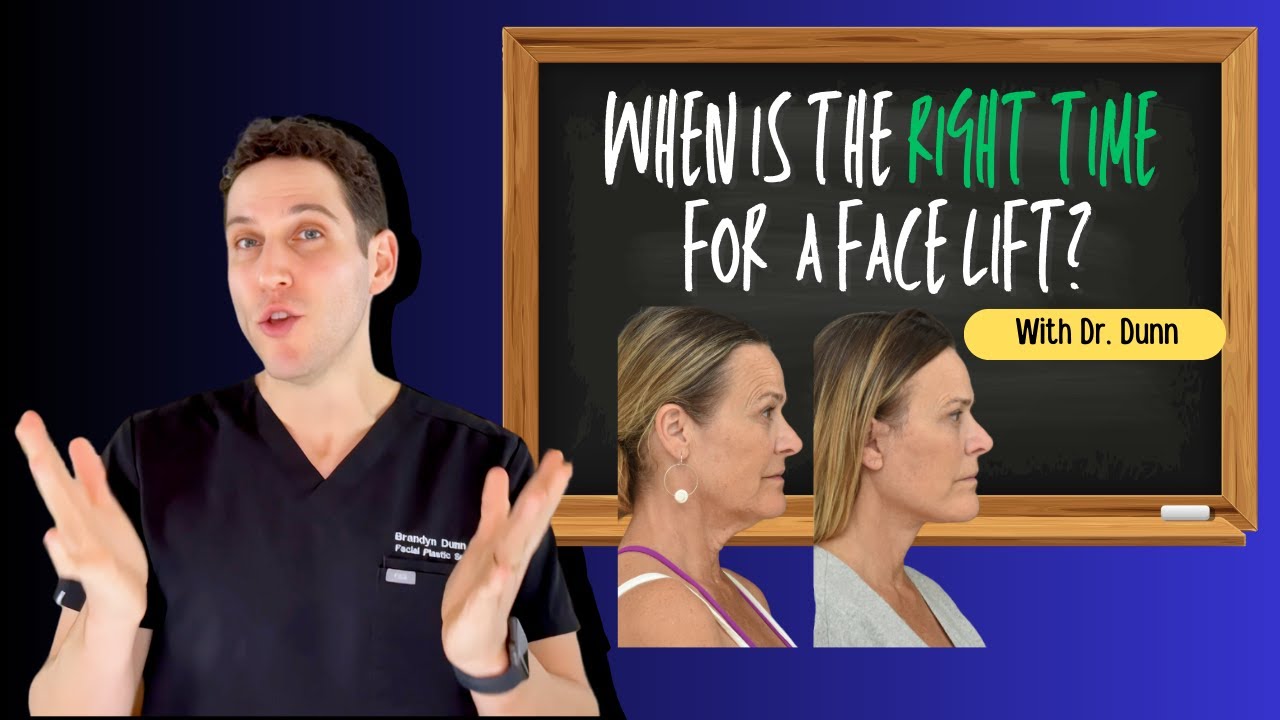

The best time for a facelift is when your anatomy shows signs that surgery can meaningfully improve. This may include:
Facelift surgery is a real procedure that requires significant recovery time. Swelling, bruising, and healing take several weeks, and your body needs energy to recover. Being in good health, and having the ability to take time off work or daily responsibilities, is essential for the best results.
Recovery isn’t just physical; it’s emotional, too. Having supportive friends, family, or caregivers during your healing process makes a major difference. From helping with meals to assisting with incision care, having someone you can depend on will make recovery smoother and less stressful.
A facelift is more than a procedure, it's an investment in lasting beauty. Like maintaining a car, ongoing care is essential to preserve your results. Planning for follow-up treatments such as skincare, injectables, or other supportive procedures can help maintain the rejuvenated look.
Finally, the right time for a facelift is when you have realistic expectations. A facelift can achieve an 80–90% improvement in signs of aging, but no result is “perfect.” Minor asymmetries or natural variations are normal. When patients understand this and focus on looking refreshed, natural, and youthful, not “different”, they are happiest with their outcomes.